
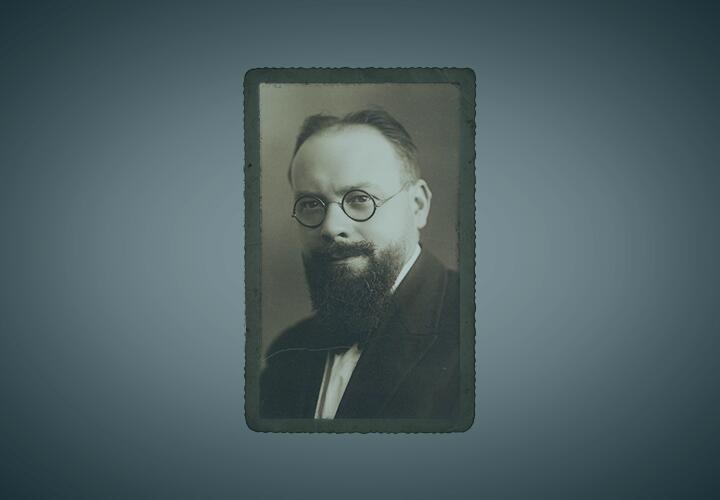
Jan de Schuyter
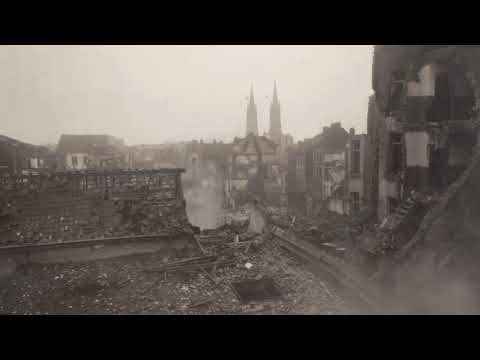
As a journalist, Jan de Schuyter visits bomb sites around the city and witnesses the destruction. But he's not allowed to publish his observations.
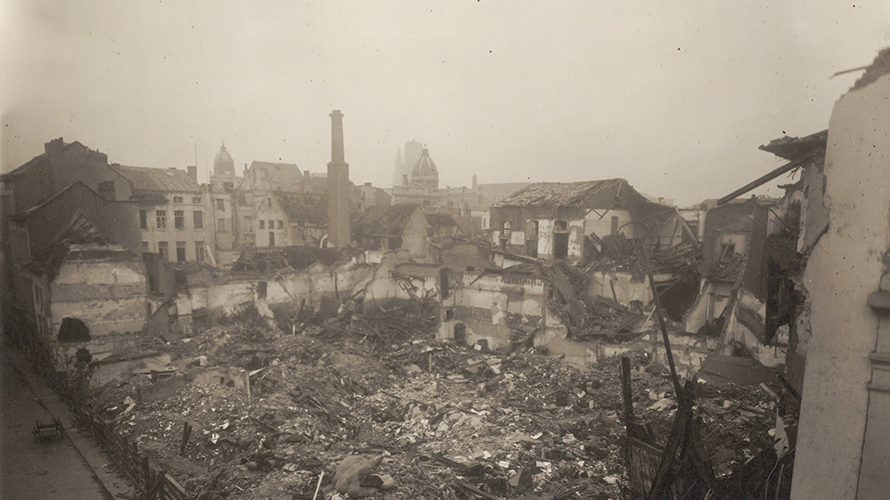
V2, October 28, 1944, 18h20, Bonte Mantelstraat
A neighbourhood erases
Of the street described in this account, nothing remains after the bomb hit. The resulting pile of rubble is more than a meter high. Seventy-one bodies and 81 wounded residents are pulled from under the debris. Bontemantelstraat is completely erased.
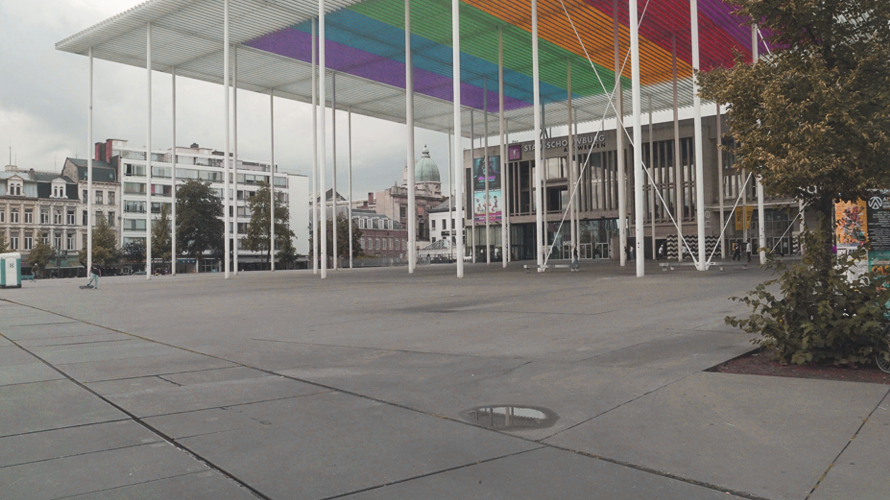
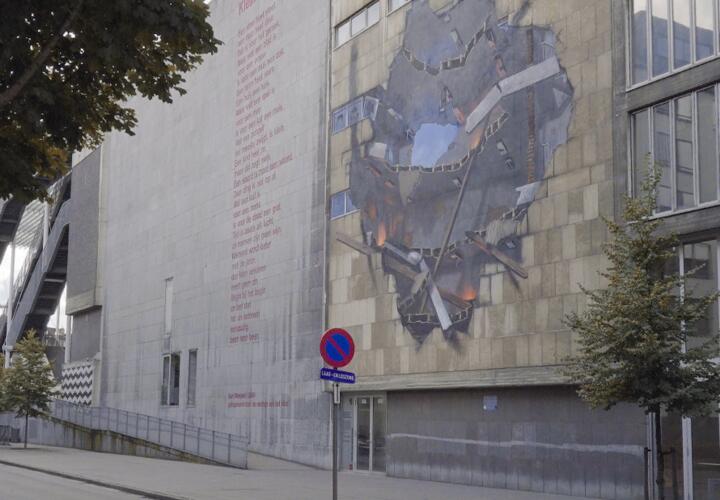
The houses will not be rebuilt after the war. Instead, the Theaterplein is laid over the impact site. The mural here is a memorial to the neighbourhood that disappeared all at once on October 28, 1944.
Art in the street
The temporary artwork by Toon Van Ishoven measures 14 by 10 meters. It makes visible the material damage caused by the V-weapons.
Not a word!
During the bombardment, the Allies enforce a strict information blackout. Newspapers do not mention the attacks. Information about the location of the bomb strikes, for example, could enable the Germans to improve the precision of their attacks.
The blackout works. The Germans do not have sufficient information to refine their attacks. German spies inside the city try to send messages, but their information is limited and not accurate enough.
Nevertheless, there are several journalists and citizens who write down what the witness. Some accounts are published after the war, such as the book "Martyred Antwerp" (Gemarteld Antwerpen) by journalist Jan de Schuyter.
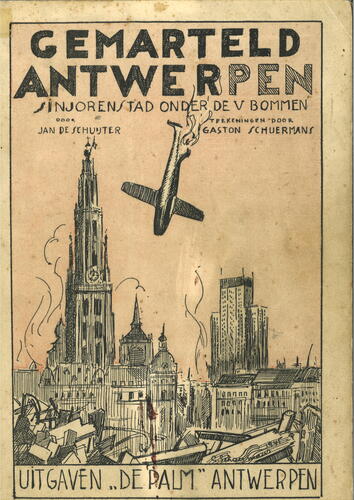
Martyred Antwerp
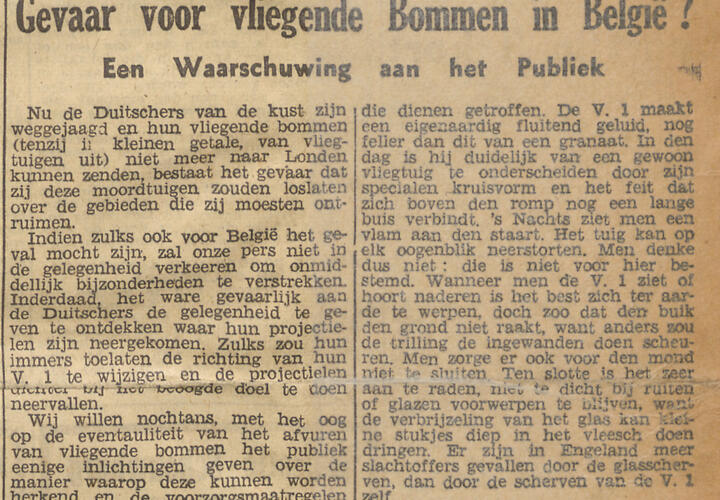
Caution: flying bombs
From the start of the bombardment, the press says that they will not mention specific bombings. This article recommends a few precautionary measures.
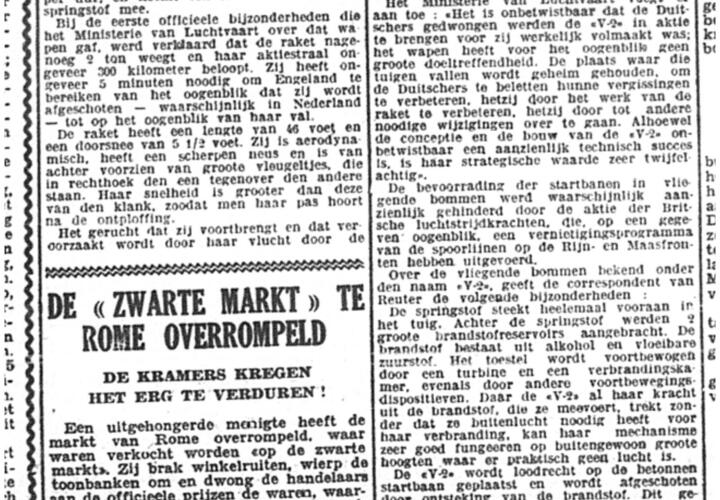
'Important details about the V2'
The information blackout doesn't mean that the citizens of Antwerp are completely uninformed about the V2.
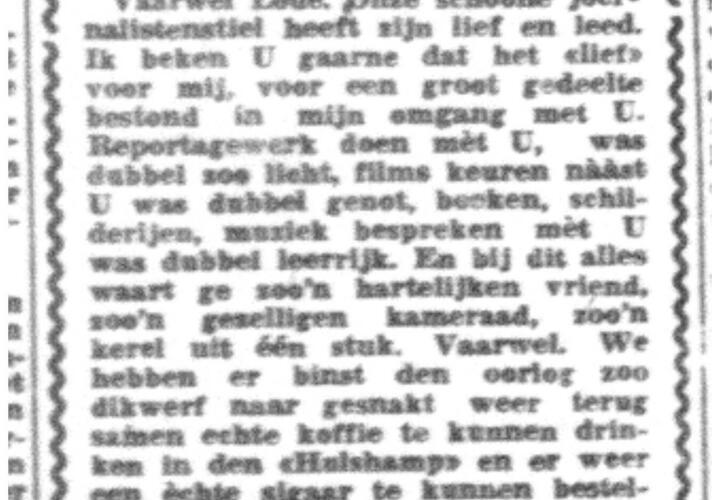
Farewell to Lode Zielens
On November 28, journalist and writer Lode Zielens is one of the victims in the attack on Plantin and Moretuslei. His death is reported despite the blackout.